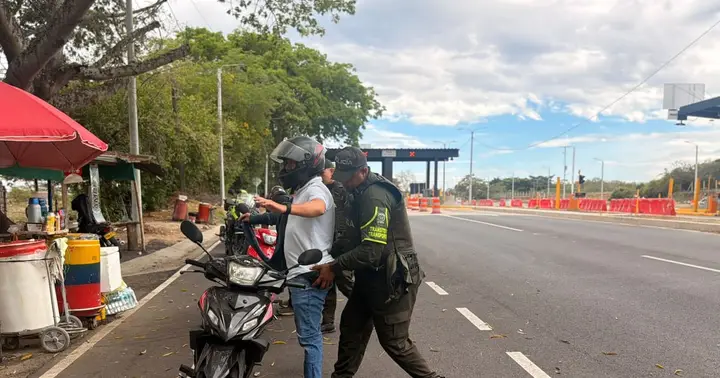
Legal Precision vs. Terrorism in Colombia

AI executive summary
The story at a glance, best enjoyed with a coffee ☕
The Red Amassuru analyzes the risks of incorporating the terrorism category in addressing organized crime in Colombia. Experts warn that a broad and vague definition could expand beyond the phenomenon it aims to regulate, with institutional, legal and political consequences. The analysis questions whether current legal tools can understand the transformations of transnational organized crime or if an exceptional category is being expanded for phenomena that require differentiated responses. The discussion focuses on the anti-terrorism statute proposal derived from the September 2026 Anti-Terrorism Policy, whose definition brings together risks, threats and violence without clearly establishing which are constitutive of terrorism and which correspond to different legal categories.
🔔 Sign in to follow this story and get its updates.
In this story you will find
AI analysis
Why it matters
An imprecise definition of terrorism could facilitate selective applications and extend state persecution to behaviors, organizations or people that do not correspond to the phenomenon of terrorism, affecting fundamental rights.
▸▾ Rate, add sources or report this story
Sign in to rate this story and add sources.
Community annexes
Coverage of this same story by other outlets, contributed by readers and checked automatically.
Ask about this coverage
Get an AI answer grounded in reports from different outlets, with links to the sources.