Petro: journalistic ethics vs private life

AI executive summary
The story at a glance, best enjoyed with a coffee ☕
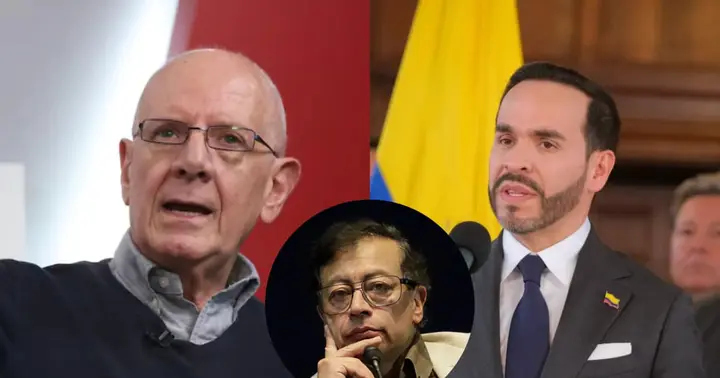
The debate over the disclosure of aspects of former President Gustavo Petro's private life has reignited a complex discussion about journalistic ethics and the boundaries of the public in politics. This controversy, similar to other historical scandals like those surrounding Richard Nixon, raises fundamental questions about what information about public figures is of genuine interest to citizens. Analysis of three perspectives - the isolation of power, consequentialism in governance, and ethical-normative positions - reveals the tension between the right to privacy and the need for scrutiny of public figures. The functional doctrine holds that privacy is inviolable, while the comprehensive position argues that those seeking power accept a reduction of their privacy.
🔔 Sign in to follow this story and get its updates.
In this story you will find
AI analysis
Why it matters
This debate directly affects journalistic practice and democracy, as it establishes the boundaries between citizens' right to information and the right to privacy of those in power.
▸▾ Rate, add sources or report this story
Sign in to rate this story and add sources.
Community annexes
Coverage of this same story by other outlets, contributed by readers and checked automatically.
Ask about this coverage
Get an AI answer grounded in reports from different outlets, with links to the sources.