Panama: 123 years of separation from Colombia
AI executive summary
The story at a glance, best enjoyed with a coffee ☕
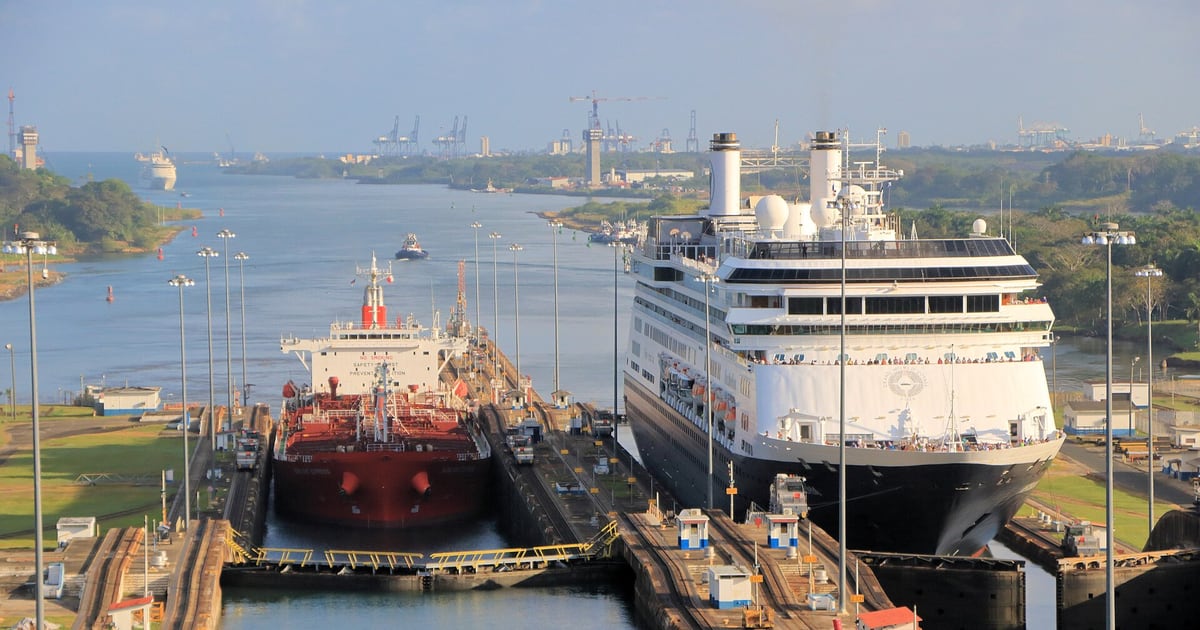
On November 3, 1903, Colombia lost Panama in a complex scenario of negotiations between the United States, French engineers, and Colombian officials. Theodore Roosevelt would later express: 'I took Panama,' referring to the clever maneuver that guaranteed the United States the construction of the canal, controlled until 1999. The separation was made possible by the abandonment of distant territories from the capital, the recovery process after the Thousand Days' War, a treaty with the United States rejected by the Colombian Senate, and the failure of French engineer Ferdinand de Lesseps' project. The Panamanian ruling class allied with sectors of the United States favorable to the project, obtaining immediate recognition as a Republic. Colombian diplomacy, bewildered, attempted to reverse the process unsuccessfully. The Panama Canal, an 82-kilometer engineering marvel, allows transit between oceans in 9 hours through a system of locks that raise or lower ships 27.5 meters.
🔔 Sign in to follow this story and get its updates.
In this story you will find
AI analysis
Why it matters
This event marked a turning point in the international relations of the region, affecting the geopolitical development of Colombia and Panama for decades. The loss of control of the Canal represented a strategic loss for Colombia and set precedents for foreign intervention in Latin American affairs.
▸▾ Rate, add sources or report this story
Sign in to rate this story and add sources.
Community annexes
Coverage of this same story by other outlets, contributed by readers and checked automatically.
Ask about this coverage
Get an AI answer grounded in reports from different outlets, with links to the sources.