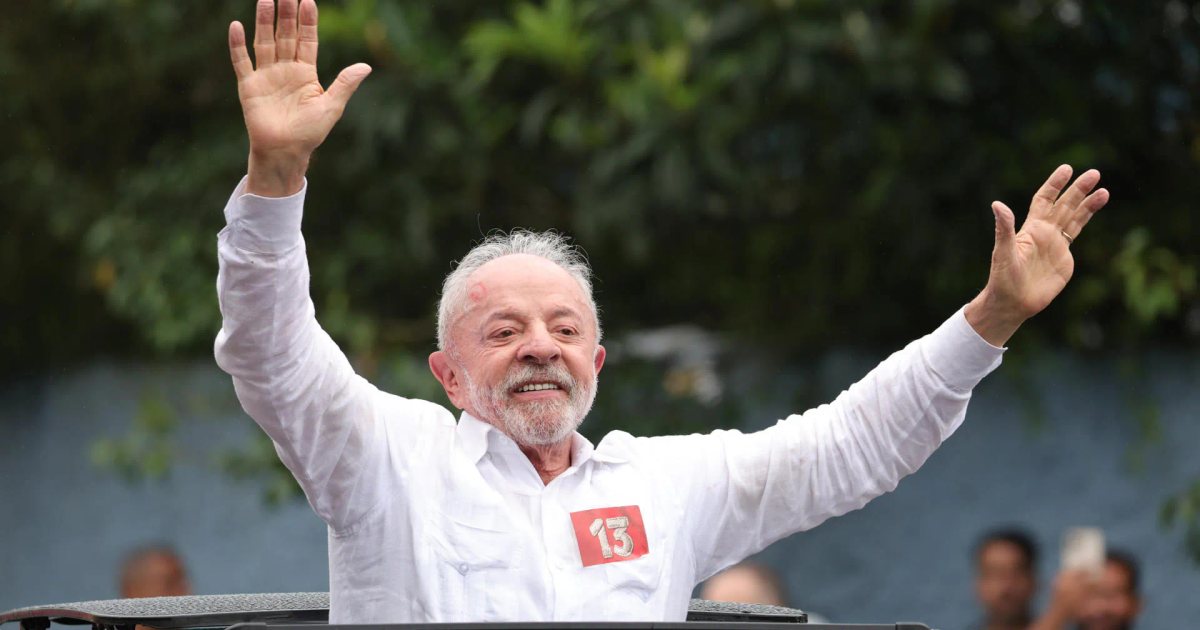
Lula wins in Brazil but right maintains strength
AI executive summary
The story at a glance, best enjoyed with a coffee ☕
Luiz Inácio Lula da Silva won Brazil's presidency in the second round of elections on October 25, obtaining 51.79% of valid votes against Flávio Bolsonaro's 48.21%. This victory represents a remarkable comeback for the former president, who in the first round on October 4 had obtained only 45.16%, while Bolsonaro reached 47.03%. However, the results show the country's deep political division, as bolsonarism retained a considerable electoral base with nearly 60 million votes and consolidated its influence in Congress and several governorships. Lula's campaign was characterized by a change in his digital strategy, seeking to connect with young voters and focusing his message on defending democratic institutions and the continuity of social programs.
🔔 Sign in to follow this story and get its updates.
In this story you will find
AI analysis
Why it matters
The result has significant implications for Brazil's political stability and all of Latin America. The country's division will affect Lula's ability to govern and advance his economic and social agenda. Additionally, the strength of the bolsonarist right will influence the balance of powers and Brazil's international relations.
▸▾ Rate, add sources or report this story
Sign in to rate this story and add sources.
Community annexes
Coverage of this same story by other outlets, contributed by readers and checked automatically.
Ask about this coverage
Get an AI answer grounded in reports from different outlets, with links to the sources.