Navarro's Legacy: Adversaries and Agreements

AI executive summary
The story at a glance, best enjoyed with a coffee ☕
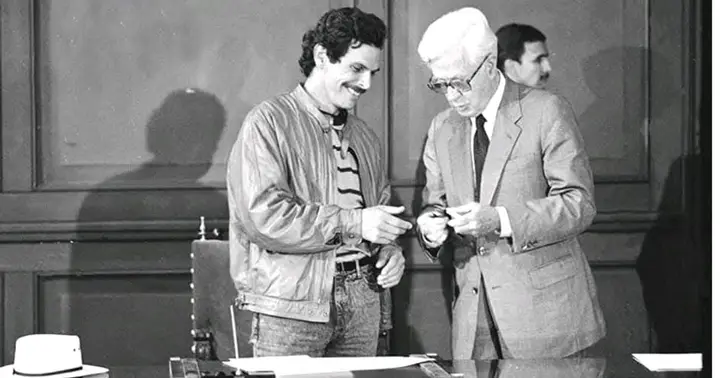
Antonio Navarro Wolff, who recently passed away, left a political legacy based on the ability to see the other as an adversary rather than an enemy, and his talent for turning that recognition into agreements that allowed society to progress. His trajectory, which took him from guerrilla to institutional politics, was marked by his participation in the 1991 Constituent Assembly, where he shared a table with Horacio Serpa and Álvaro Gómez Hurtado, despite his past as a former guerrilla and the M-19's kidnapping of Gómez. Navarro, who managed public affairs with integrity and an obsession for execution, never betrayed the 1990 Peace Agreement and stood out for his ability to separate interests from positions in negotiations.
🔔 Sign in to follow this story and get its updates.
In this story you will find
AI analysis
Why it matters
Navarro's legacy is relevant at a time of political polarization in Colombia, where the ability to see the other as an adversary rather than an enemy is scarce. His approach based on mutual tolerance and separating interests from positions could be an example for the country's current politics.
▸▾ Rate, add sources or report this story
Sign in to rate this story and add sources.
Community annexes
Coverage of this same story by other outlets, contributed by readers and checked automatically.
Ask about this coverage
Get an AI answer grounded in reports from different outlets, with links to the sources.