The Two Colombias: A Historical Geoeconomic Division
AI executive summary
The story at a glance, best enjoyed with a coffee ☕
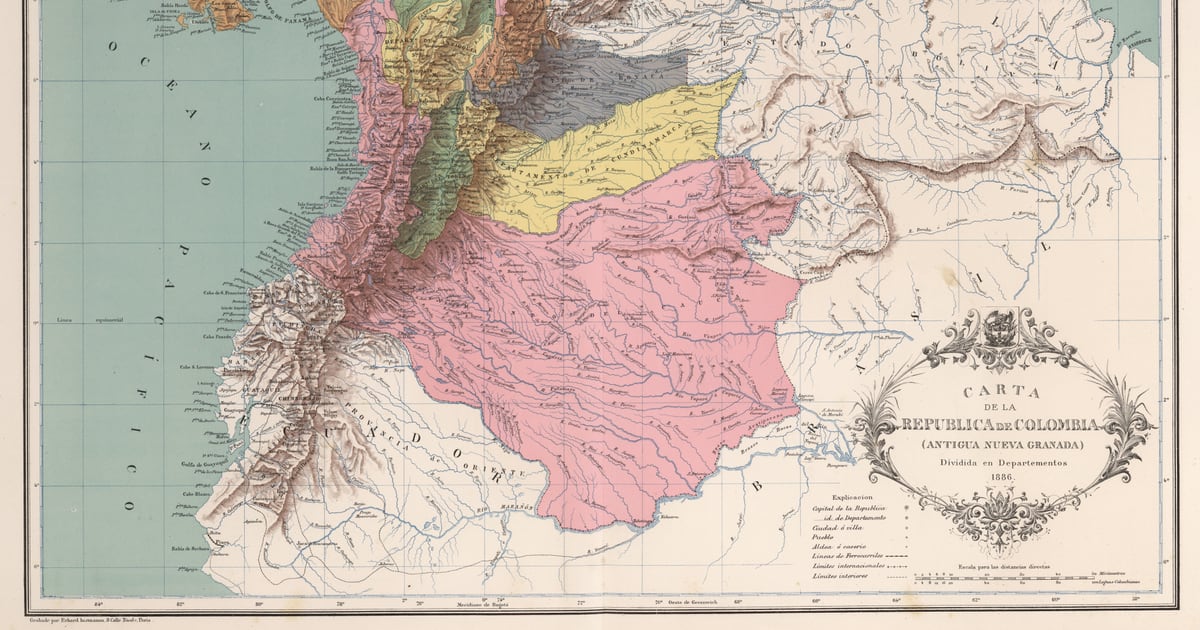
Colombia's economic history has been divided into two major regions based on their historical development: the East and the West. According to the thesis by Miguel Samper, complemented by Nieto Arteta, these regions emerged from the transition from the highlands to the slopes and valleys. The East, with cities like Ocaña, Pamplona, and San Juan de Girón, became a commercial manufacturing center where artisan and peasant workers predominated, without developing the typical colonial economy. In contrast, the West based its economy on mining and later on coffee, with an opposite dynamic where institutions like slavery prospered. The Magdalena River served as a natural border between these two regions and as a communication axis that determined the colonization of the interior valleys.
🔔 Sign in to follow this story and get its updates.
In this story you will find
AI analysis
Why it matters
This historical geoeconomic division helps understand the regional disparities that persist in Colombia and the different development trajectories that have marked the East and West of the country.
▸▾ Rate, add sources or report this story
Sign in to rate this story and add sources.
Community annexes
Coverage of this same story by other outlets, contributed by readers and checked automatically.
Ask about this coverage
Get an AI answer grounded in reports from different outlets, with links to the sources.