AI in Education: Benefits and Risks for Childhood Learning
AI executive summary
The story at a glance, best enjoyed with a coffee ☕
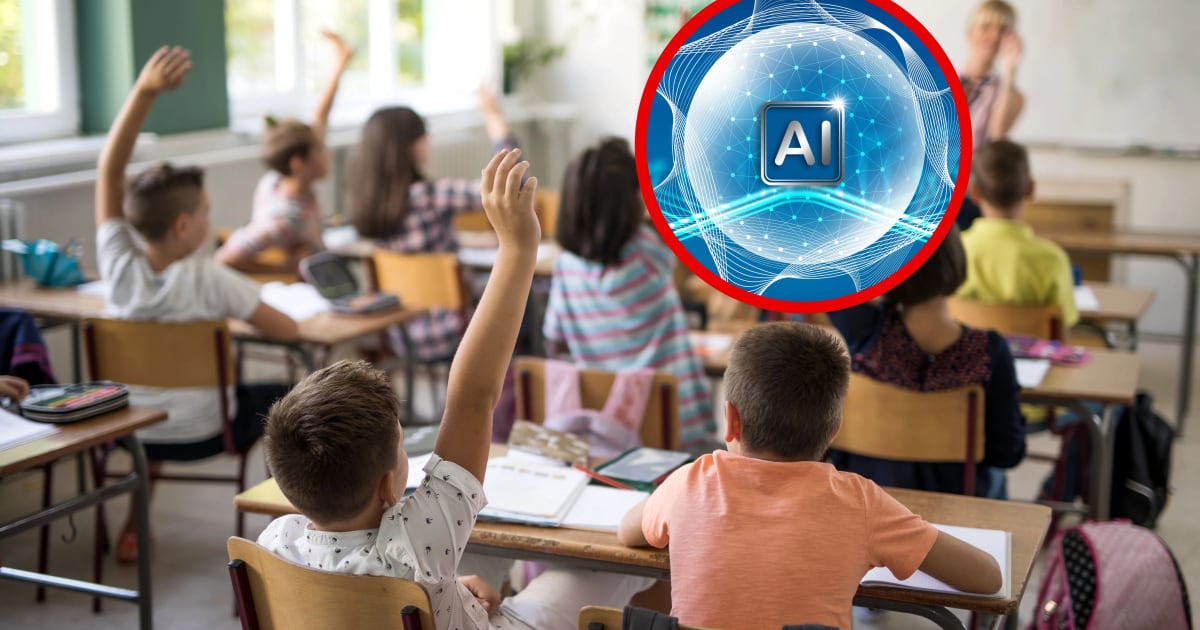
Artificial intelligence is transforming educational processes, according to UNESCO and Unicef, by improving agility in learning and teaching practices. However, Unicef research reveals that children are completely delegating their educational and reasoning processes to AI, which could cause future problems in their reflection and analysis abilities. Kumon Colombia proposes appropriate practices for using AI without replacing real learning, such as solving math operations before seeking direct answers or analyzing readings before comparing with AI. Gabriela Cordova, Franchise Manager of Kumon in Colombia, emphasizes that the challenge is for children to use AI to expand their understanding, not to stop thinking. A Cambridge University Press & Assessment study based on 15 teachers from 13 countries establishes that students should question AI answers to identify possible errors and recognize when the tool helps understand better and when it does all the work.
🔔 Sign in to follow this story and get its updates.
In this story you will find
AI analysis
Why it matters
Proper use of AI in education directly affects children's cognitive development, determining whether they acquire independent reasoning skills or depend on technology to solve problems, which will impact their future academic and professional lives.
▸▾ Rate, add sources or report this story
Sign in to rate this story and add sources.
Community annexes
Coverage of this same story by other outlets, contributed by readers and checked automatically.
Ask about this coverage
Get an AI answer grounded in reports from different outlets, with links to the sources.