Embargos in Colombia: what they are and what assets are protected

AI executive summary
The story at a glance, best enjoyed with a coffee ☕
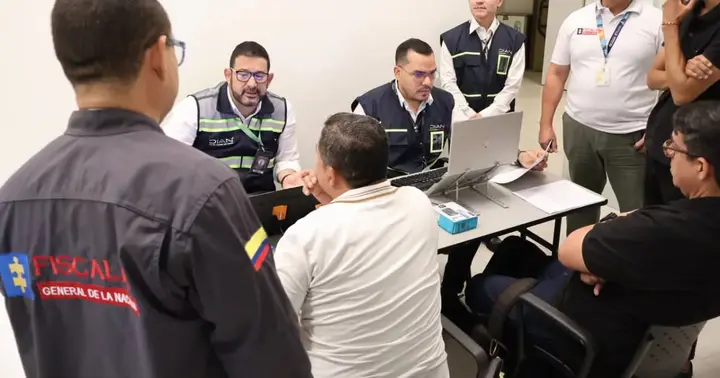
An embargo in Colombia is a precautionary measure ordered by judicial or administrative authorities to retain assets of debtors and guarantee payment of obligations. According to accountant Laura Escobar, this process is divided into three moments: the order issued by a judge or state entity, the communication to the entity holding the asset, and the immobilization that prevents selling, gifting or transferring the asset. Embargos are applied in civil or commercial enforcement proceedings, coercive jurisdiction for taxes and fines, and family proceedings for non-payment of alimony. Colombian law establishes limits to protect essential assets, such as the minimum wage which is non-attachable, although 20% of what exceeds this amount can be seized, except for food debts or cooperative credits where it can reach 50%.
🔔 Sign in to follow this story and get its updates.
In this story you will find
AI analysis
Why it matters
This information is crucial for both individuals facing embargo proceedings and creditors seeking to guarantee payment of their debts. Knowing the procedures and legal protections allows for informed decisions and avoiding situations of vulnerability.
▸▾ Rate, add sources or report this story
Sign in to rate this story and add sources.
Community annexes
Coverage of this same story by other outlets, contributed by readers and checked automatically.
Ask about this coverage
Get an AI answer grounded in reports from different outlets, with links to the sources.