The Power of Voting: A Fundamental Democratic Tool
AI executive summary
The story at a glance, best enjoyed with a coffee ☕
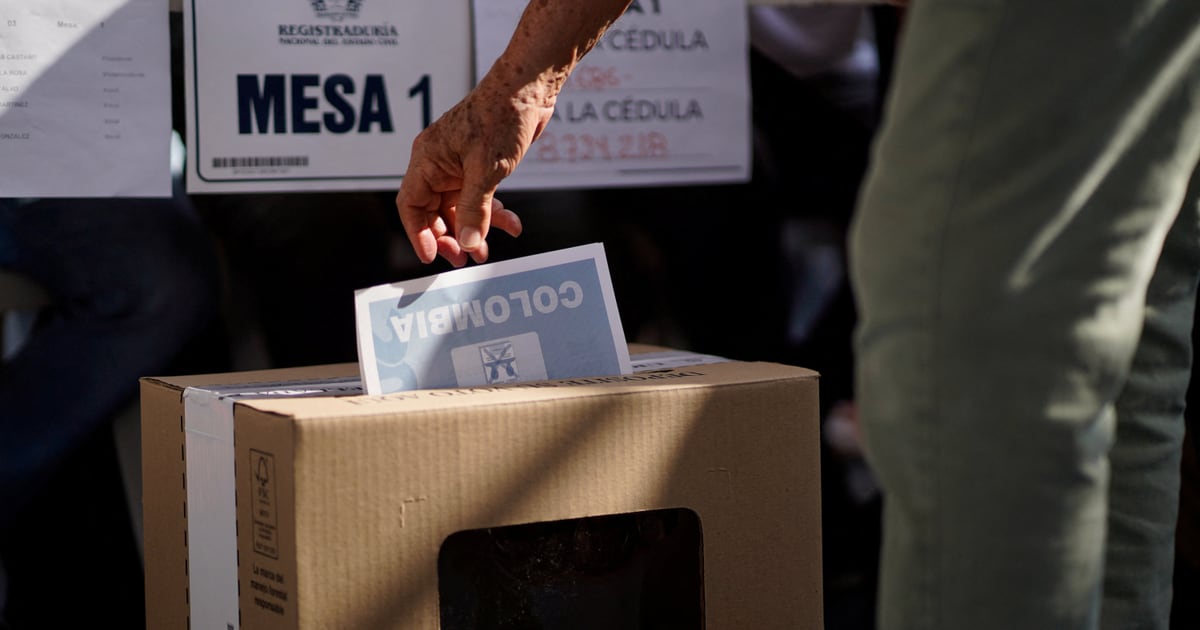
Voting serves as the fundamental mechanism through which citizens exercise their sovereignty and transfer political power to their representatives in a democracy. Officials exercising civil, political, administrative, or military authority must resign and effectively step down from their position at least 12 months before the voting date to participate in elections. This civic right and duty transcends simply marking a ballot, involving a conscious process of evaluation, decision-making, and follow-up to ensure that elected officials safeguard collective welfare and institutional transparency. In Colombia, buying and selling votes constitutes a criminal offense known as voter corruption, with direct legal and sociopolitical consequences for those who engage in this practice.
🔔 Sign in to follow this story and get its updates.
In this story you will find
AI analysis
Why it matters
Voting directly affects all citizens as it determines public priorities and the direction of communities for the next four years. A functional democracy depends on the responsible exercise of this right, which ensures that rulers respond to the popular will and promote collective welfare.
▸▾ Rate, add sources or report this story
Sign in to rate this story and add sources.
Community annexes
Coverage of this same story by other outlets, contributed by readers and checked automatically.
Ask about this coverage
Get an AI answer grounded in reports from different outlets, with links to the sources.