Trash in Bogotá: main factor for rat presence
AI executive summary
The story at a glance, best enjoyed with a coffee ☕
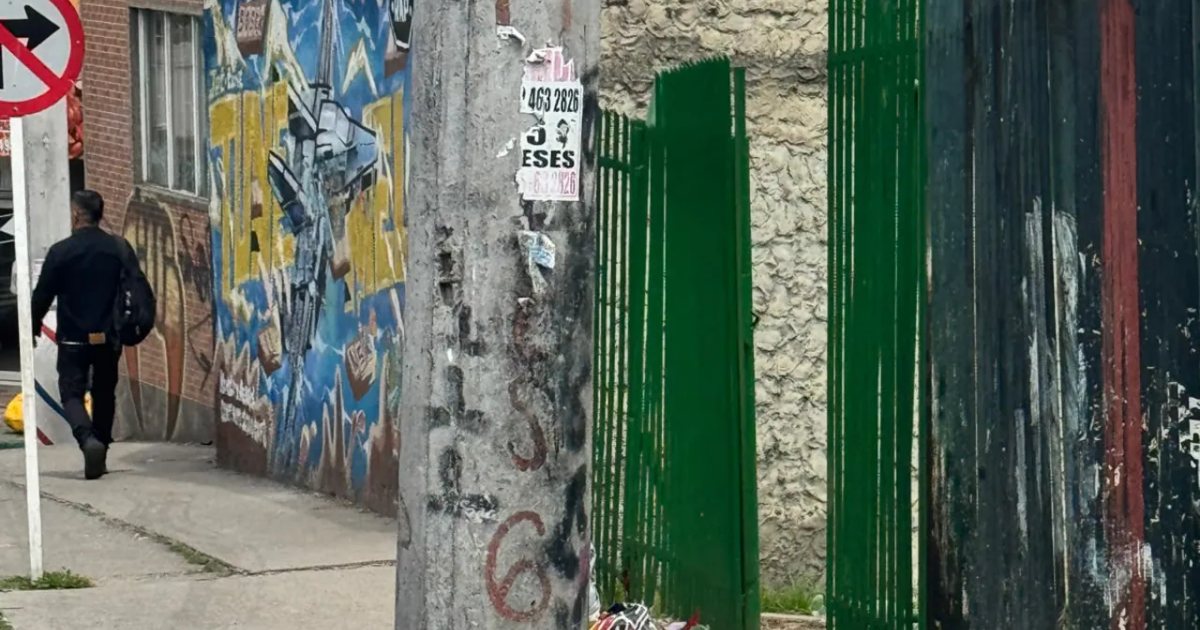
The accumulation of waste in Bogotá streets is a key factor that attracts rodents, according to the Special Administrative Unit of Public Services (UAESP). The entity noted that while rats are not a direct consequence of trash, waste that remains in public spaces for long periods favors their appearance. Bogotá generates approximately 6,500 tons of waste daily, of which about 1,000 correspond to bulky and construction waste that is abandoned in public spaces. The UAESP works in coordination with the District Health Secretariat, where the first is responsible for waste collection and disposal, while the second specifically addresses rodent control. During 2026, more than 2,161 containers in poor condition have been removed and critical waste points have been reduced from more than 600 to 471, although these are counted monthly and can be considered critical again if waste reappears.
🔔 Sign in to follow this story and get its updates.
In this story you will find
AI analysis
Why it matters
The presence of rodents in the city represents a risk to public health, as these animals can transmit diseases. Additionally, the accumulation of trash affects urban aesthetics and the quality of life of citizens, generating dissatisfaction in different sectors of Bogotá.
▸▾ Rate, add sources or report this story
Sign in to rate this story and add sources.
Community annexes
Coverage of this same story by other outlets, contributed by readers and checked automatically.
Ask about this coverage
Get an AI answer grounded in reports from different outlets, with links to the sources.