Clay in faults could explain earthquakes with tsunamis
AI executive summary
The story at a glance, best enjoyed with a coffee ☕
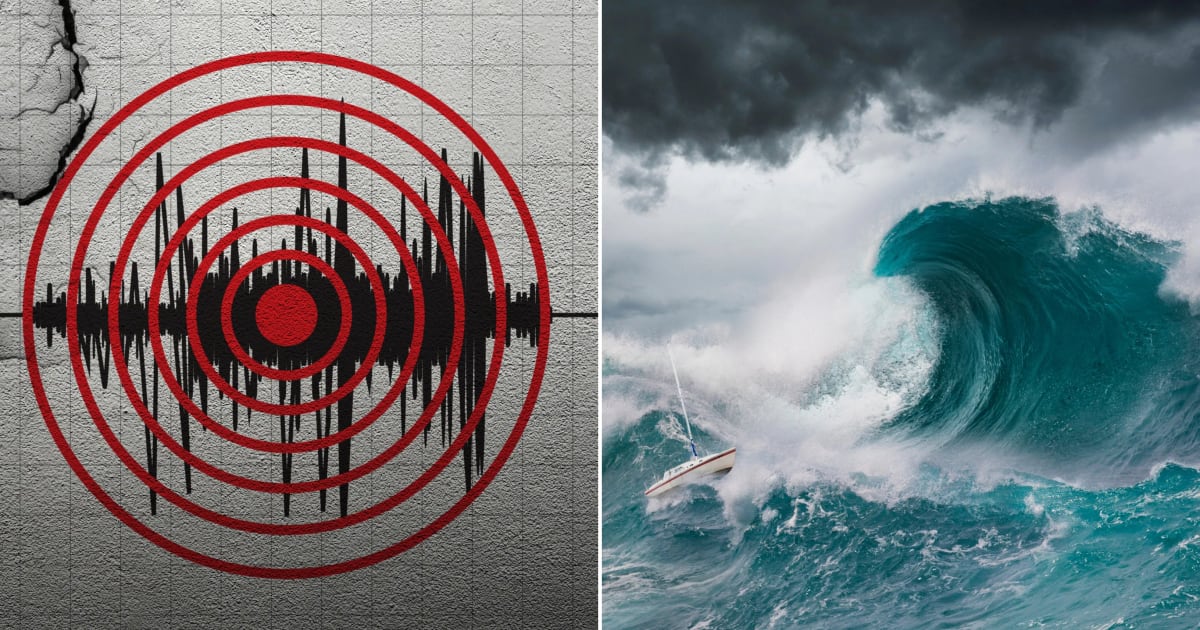
Japanese researchers led by Tetsuro Hirono, professor at Osaka Metropolitan University, have discovered that clay present in geological faults could behave as a lubricant during certain earthquakes. By studying rocks from the Boso Peninsula with approximately 15 million years of age, they found physical evidence of a mechanism that would explain why some faults lose resistance during seismic events. The phenomenon known as thermal pressurization heats the water trapped in the rock spaces, increasing its pressure and reducing resistance between surfaces. According to Hirono, the viscosity of the material approached that of water, functioning as a dynamic lubrication that weakens the fault and favors large-scale displacements capable of causing tsunamis. This research, published in Scientific Reports, could help better understand events like the magnitude 9.1 earthquake that struck Japan in 2011 and to assess risks in coastal areas.
🔔 Sign in to follow this story and get its updates.
In this story you will find
AI analysis
Why it matters
This discovery could help better understand the magnitude of slips in geological faults, which would support tsunami mitigation efforts and allow for better assessment of risks to coastal areas.
▸▾ Rate, add sources or report this story
Sign in to rate this story and add sources.
Community annexes
Coverage of this same story by other outlets, contributed by readers and checked automatically.
Ask about this coverage
Get an AI answer grounded in reports from different outlets, with links to the sources.